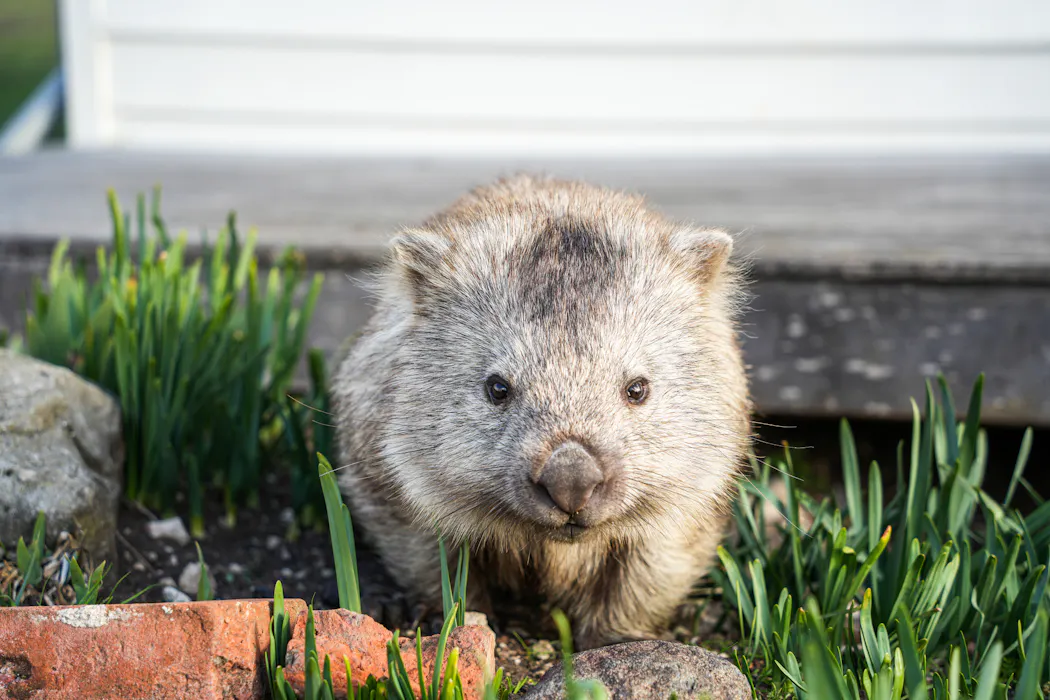
澳大利亚的住宅建筑已成为本土野生动物的重要栖息地。研究发现,36种本土物种在建筑内筑巢、觅食或睡眠,其中40%的物种占据建筑腔体,19%利用车库等结构,16%在檐口和阳台等外部表面活动1。维多利亚野生动物部的数据显示,过去十年约2400只本土动物被报告在建筑内、外或下方1。
面对澳大利亚未来五年建造120万套住宅的国家目标,学者呼吁将野生动物保护纳入建筑设计中1。苏格兰和德国已制定相关政策——苏格兰规定新建筑必须安装"雨燕砖"作为栖息地,而德国的Brantstrasse建筑已将雨燕砖、蝙蝠箱和刺猬窝纳入结构设计1。尽管澳大利亚目前没有相关政策,但已出现了"野生动物屋"等草根倡议1。研究表明,采用生态特征设计与提高能源效率并不必然冲突——能源效率建筑的气密性要求可与野生动物栖息地保护并存1。
Research has revealed that Australian buildings are already serving as habitats for 36 native wildlife species, with animals using these structures for nesting, foraging, and shelter 1. According to Victoria's wildlife department data, approximately 2,400 native animals were reported in, on, or beneath buildings over the past decade 1. Among species utilizing buildings, 40% occupy cavities within the structures, 19% use garages and similar spaces, and 16% inhabit external surfaces such as eaves and balconies 1.
As Australia plans to construct 1.2 million new homes over the next five years 1, researchers are calling for wildlife considerations to be embedded into architectural design from the outset. Scotland and Germany offer models worth emulating: Scotland requires new buildings to install "swift bricks" as nesting sites 1, while a residential building on Brantstrasse in Germany has incorporated swift bricks, bat boxes, and hedgehog shelters into its structural design 1. Australia currently lacks such policies, though grassroots initiatives like "wildlife houses" have emerged 1. Experts note that energy-efficient building standards requiring airtightness—which prevent 15–25% of winter heat loss through air leakage—need not conflict with wildlife habitat provision 1.
评论
还没有评论,欢迎留下第一条。