澳大利亚各地企业和地方政府因隐私顾虑而相继限制智能眼镜使用。1 阿德莱德一家咖啡馆因安全问题最近禁用了智能眼镜,1 而布里斯班市议会则禁止在21个公共游泳池中非自愿使用所有摄像头设备。1
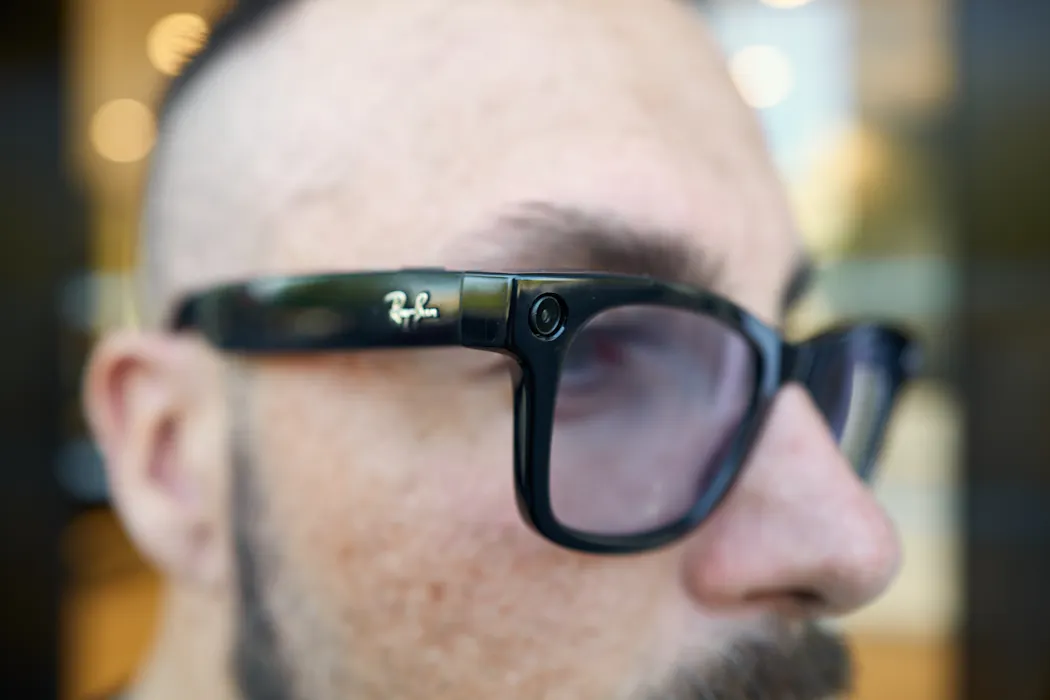
然而,这些绝对禁令可能存在法律漏洞。根据澳大利亚《1992年残疾歧视法案》,完全禁用智能眼镜可能构成违法歧视,因为这类设备可以配备处方镜片,为视力和移动障碍人士提供支持。1 例如Ray Ban Meta眼镜可配备处方镜片,并提供"Be My Eyes"功能和实时字幕等辅助功能。1
布里斯班市议会采取了更为谨慎的策略,禁止非自愿录制而非完全禁用智能眼镜。1 这一做法与新南威尔士州、维多利亚州、西澳大利亚州、南澳大利亚州和北领地的监控设备法律相符,这些法律禁止未经同意录制私人对话。1 与此同时,联邦检察长米歇尔·罗兰表示政府目前不考虑禁止进口智能眼镜。1 Meta公司宣布了即将推出的更新,将在录制灯被遮挡时停止眼镜工作。1
Australian businesses and local governments are increasingly restricting smart glasses use due to privacy concerns, though outright bans may conflict with anti-discrimination law.1 An Adelaide cafe recently prohibited smart glasses citing safety issues, while Brisbane City Council implemented a more targeted approach by banning non-consensual recording across all camera devices at 21 public swimming pools rather than prohibiting the devices entirely.1
Legal experts warn that absolute bans could violate Australia's Disability Discrimination Act 1992, since smart glasses can be equipped with prescription lenses or features supporting vision and mobility impairments.1 Ray Ban Meta glasses, for instance, can accommodate prescription lenses and offer functionalities such as "Be My Eyes" assistance and real-time captioning.1 Surveillance device laws already in effect across New South Wales, Victoria, Western Australia, South Australia, and the Northern Territory prohibit recording private conversations without consent, providing an existing legal framework that targets non-consensual recording rather than the technology itself.1 Federal Attorney-General Michelle Rowland has stated that the government is not currently considering banning smart glasses imports.1 Meta has announced an upcoming update that will disable glasses when their recording light is obstructed, while smart glasses are available for purchase at retailers such as Kmart for $89 Australian.1
评论
还没有评论,欢迎留下第一条。