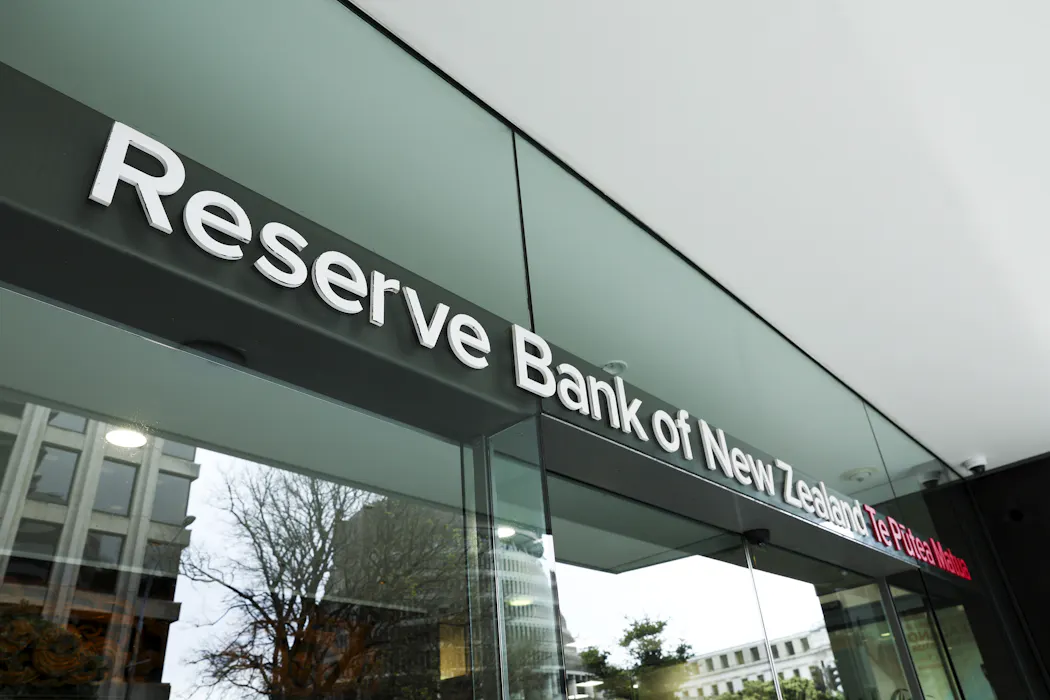
新西兰储备银行将官方现金利率(OCR)上调0.25个基点至2.75%,以应对年度通胀率升至4.1%的压力1。然而,分析表明这次加息可能难以有效缓解当前的物价上涨问题。
当前通胀的主要推手来自进口商品,特别是能源价格的剧烈波动1。其中汽油价格在一年内上涨了27.5%,其他车用燃料和润滑油的涨幅更是超过70%1。交易性商品通胀在一年内从2.5%跃升至4.9%1。由于新西兰几乎所有燃料和大部分肥料都需进口,并经由霍尔木兹海峡运入,这些全球供应链中断和国际商品价格波动已超出央行政策工具的直接控制范围1。
若剔除燃油价格涨幅的影响,标题通胀率实际为2.9%,已处于央行1-3%的目标范围内1。与此同时,非交易性商品通胀保持相对稳定,仅从3.5%微幅下滑至3.4%1。央行曾在5月预测标题通胀将在4%附近见顶,随后在7月将预测调整至3.9%1。
New Zealand's central bank has increased the official cash rate by 25 basis points to 2.75% as it attempts to address annual inflation that has climbed to 4.1%1. However, the drivers of current price pressures remain largely beyond the reach of monetary policy tools. The inflationary surge is predominantly fueled by imported goods, particularly fuel prices which have surged 27.5%, and global supply chain disruptions rather than domestic demand1.
The headline inflation picture becomes clearer when energy costs are excluded from the calculation. Stripping out fuel price increases, the inflation rate would sit at approximately 2.9%, comfortably within the central bank's 1-3% target range1. Tradable goods inflation has risen sharply from 2.5% annually to 4.9%, with vehicle fuels and lubricants climbing more than 70% in addition to petrol's steep gains1. Meanwhile, non-tradable inflation has remained relatively stable, edging down slightly from 3.5% to 3.4%1.
New Zealand's vulnerability to external price shocks is substantial, as the country imports virtually all its fuel and the majority of its fertilizer through the Strait of Hormuz1. This dependency creates ongoing inflation risks that interest rate adjustments cannot mitigate. Although the central bank projected in May that headline inflation would peak around 4%, it later revised this forecast downward to 3.9% in July1.
评论
还没有评论,欢迎留下第一条。