奥克兰市议会交通委员会已批准三个拥堵收费方案,计划于11月开展公众咨询1。该方案的收费标准为每次NZ$2至$71,并已从针对个别道路的设计调整为围绕市中心的环形收费区1。多年来倡导道路收费的奥克兰市长韦恩·布朗曾主张针对西北公路和南部公路的收费方案1。
尽管方案获得批准,但其在推出前仍缺乏关键细节,特别是在公共交通配套方面存在空白1。收费收入的分配以及如何增加公交服务等问题尚未明确1。国际案例显示,成功的拥堵收费制度往往伴随公共交通的大幅提升。伦敦在高峰时段增加了560条公交线路,使载客量增加29,000人1;斯德哥尔摩进行的七个月试验最终通过公投,支持率从36%上升至70%以上1;纽约则承诺将收费收入的80%用于地铁和公交1。城市轨道连接线(City Rail Link)的开通预计将使两倍的奥克兰人能在30分钟内到达市中心1,而奥尔巴尼停泊换乘点的1,210个停车位目前已在上午8点左右达到饱和1。
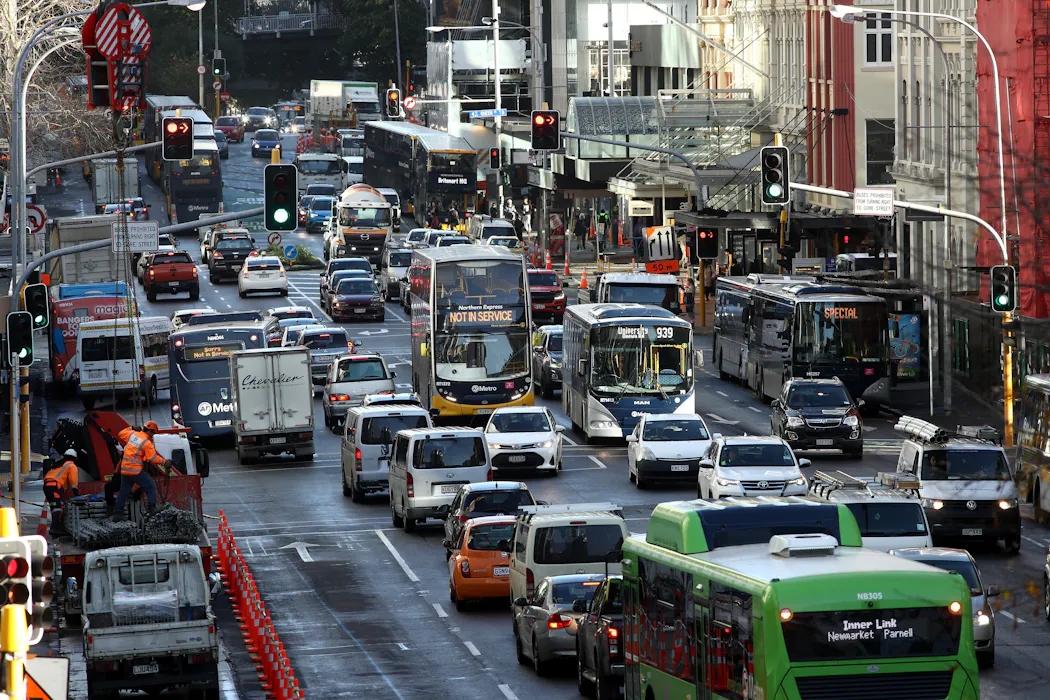
Auckland's transport committee has approved three congestion charging proposals for public engagement in November, with per-trip fees ranging from NZ$2 to NZ$7 1. The schemes represent a shift in approach from earlier designs targeting individual roads to a cordon-based system centered around the city's downtown area 1.
Auckland's Mayor Wayne Brown has championed congestion charging for years, previously advocating for tolls on the Northwestern and Southern motorways 1. However, critical implementation details remain unresolved before the scheme can be introduced, including how to expand public transport services and allocate revenues from the charging system 1.
International precedents suggest potential success for such initiatives. London added 560 bus routes during morning peak hours, increasing passenger capacity by 29,000 people 1. Stockholm's seven-month trial demonstrated shifting public support, with approval rising from 36% to over 70% by 2011 following a referendum 1. New York committed to directing 80% of congestion charging revenue toward subway and bus services, with 10% each allocated to two commuter rail lines, enabling the transport authority to borrow $15 billion 1. In Auckland's case, the planned City Rail Link is projected to bring rapid transit access within 30 minutes to twice as many residents 1, while the Albany park-and-ride facility, equipped with 1,210 parking spaces, typically reaches capacity around 8 a.m. 1.
评论
还没有评论,欢迎留下第一条。