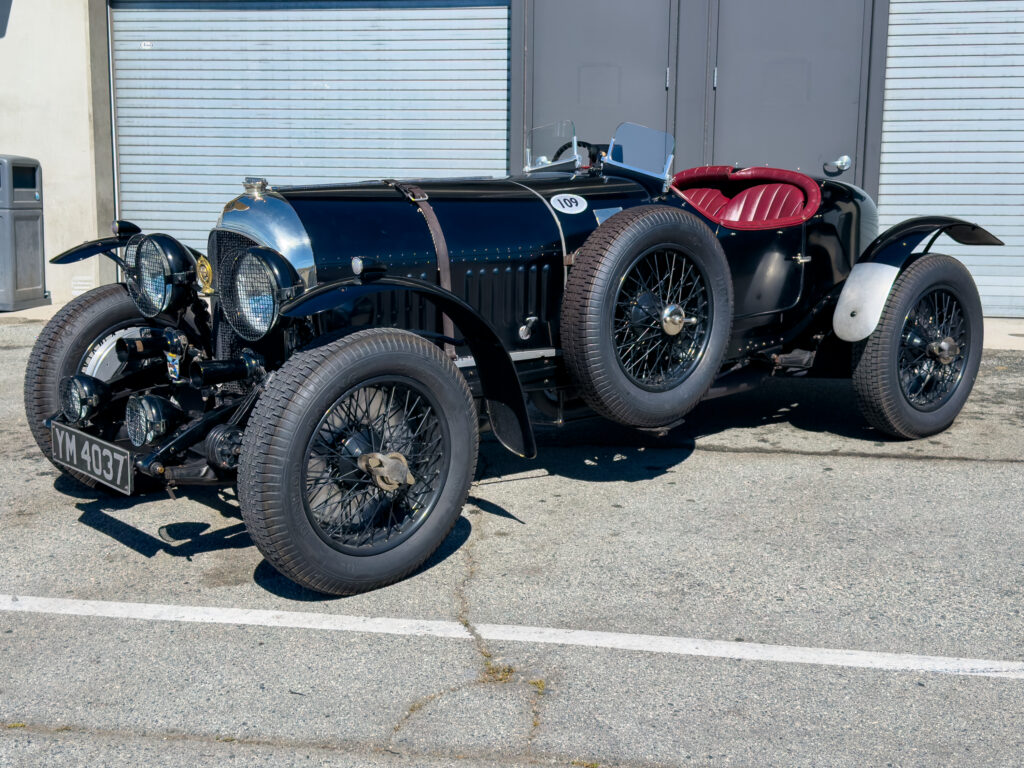
在蒙特雷举办的宾利新款Supersports活动中,记者获得机会试乘一款生产于1925至1927年间的原始Super Sports车型。1这款古董车代表了当时汽车工程的前沿成就——通过缩短轴距9.5英寸(241毫米)、进行轻量化改造和发动机升级,它打破了速度的界限。1宾利工厂曾公开保证,这款车型的最高时速可超过100英里/小时(160公里/小时),这一成就在当时足以令人瞩目。1
相比之下,同时代的福特Model T最高时速仅约40英里/小时(64公里/小时),Super Sports的性能足足高出两倍多。1宾利在1925至1927年间共生产了18辆Super Sports车型,每一辆都代表了对速度和工程设计的执着追求。1时至今日,新款宾利Supersports沿袭了这一传统,成为该公司85年来最轻的车型,继续演绎这个传奇系列对性能的不懈追求。1
An Ars Technica reporter experienced what performance driving looked like in the 1920s during a Bentley event in Monterey, California, where they test-drove an original Super Sports model produced between 1925 and 1927.1 The factory-built performance variant represented a radical departure from standard production vehicles of its era, featuring a shortened wheelbase of 9.5 inches compared to the regular 3-liter model and significant weight reduction through engineering modifications.1 These changes, combined with engine upgrades, enabled the Super Sports to exceed 100 miles per hour—a guarantee the Bentley factory proudly made to buyers.1
To contextualize this achievement, the contemporary Ford Model T, which dominated the automotive market at the time, had a top speed of merely 40 miles per hour.1 Only 18 examples of the original Super Sports were built during its three-year production run, making it an exceptionally rare expression of early automotive performance.1 The company's latest Supersports variant is described as the lightest model Bentley has produced in 85 years, echoing the weight-conscious design philosophy of its namesake ancestor.1
评论
还没有评论,欢迎留下第一条。