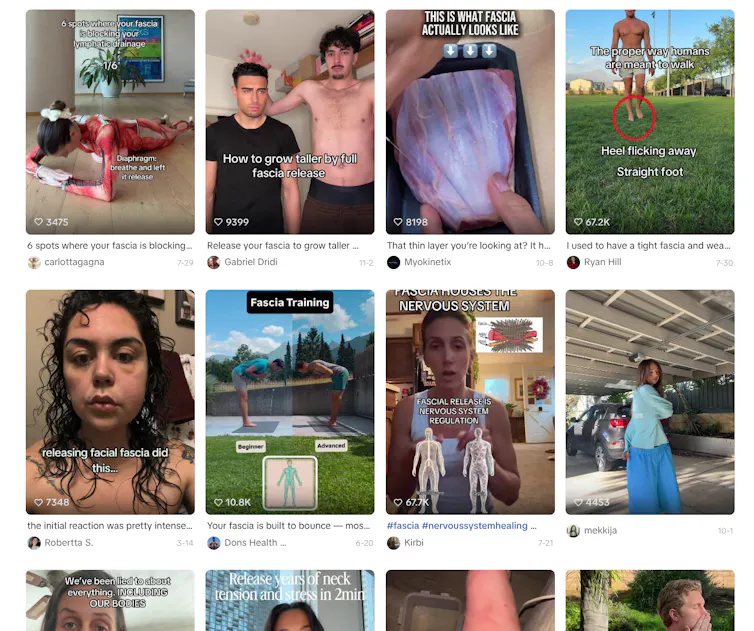
澳大利亚物理治疗专家Lewis Ingram通过The Conversation Australia发布科普分析,解析了人体筋膜的生理结构与作用,并驳斥了流行健身界关于“筋膜释放”及特定训练方法的观点 1。Ingram指出,筋膜是包裹内脏结构的连续结缔组织网络,富含神经末梢,负责传递身体空间位置信息(即本体感觉) 1。针对所谓能单独“训练”筋膜的观点,专家认为这缺乏依据,因为筋膜与肌肉、骨骼紧密相连,任何全身性运动都会涉及筋膜 1。
在工具效用方面,研究表明泡沫轴或按摩产生的力不足以物理改变坚韧的筋膜形状,“释放”筋膜的说法不符合生物力学证据 1。这些疗法带来的舒适感通常是非特异性的,如暂时性感觉改变、放松或安慰剂效应,而非解剖学上的结构性变化 1。Ingram建议大众不必过度迷信昂贵的局部筋膜疗法设备,保持筋膜健康的最佳方式是坚持适度运动、健康饮食和良好睡眠等基础生活方式 1。
Lewis Ingram, a physiotherapy expert writing for The Conversation Australia in Australia, has challenged the scientific validity of popular fitness trends surrounding "fascia release" and targeted fascia training 1. He explains that fascia is a continuous network of connective tissue rich in nerve endings that wraps around internal structures and transmits proprioceptive information about body position 1. Because this tissue is intimately connected to muscles and bones, the notion that it can be isolated and specifically "trained" is unfounded, as any whole-body movement inherently involves the fascia 1.
According to Ingram, the mechanical force generated by common tools like foam rollers or massage devices is insufficient to physically alter the shape of tough fascial tissue, rendering claims of structural "release" inconsistent with biomechanical evidence 1. The comfort users often experience from these therapies is likely attributable to non-specific effects such as temporary changes in sensation, general relaxation, or placebo responses rather than actual anatomical modifications 1. To maintain healthy fascia, the expert recommends prioritizing foundational lifestyle habits—including moderate exercise, a balanced diet, and adequate sleep—over relying on expensive equipment or specialized localized treatments 1.
评论
还没有评论,欢迎留下第一条。