科技界领袖对人工智能时代的经济前景提出了乐观预测。埃隆·马斯克在2024年7月24日接受《经济学人》编辑采访时预言,"2036年金钱将不再重要",并称AI将产生"令人难以置信的丰富"1。马斯克建议采取"通过政府支票的全民高收入"作为应对AI失业的最佳方式1。
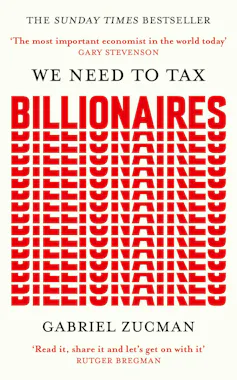
然而,经济学家加布里埃尔·祖克曼的研究表明,技术产生的财富并未自动流向全社会。祖克曼研究发现,在欧洲、英国和美国,"财富分配链顶端的人实际上缴纳近乎零的所得税"1。以法国为例,超富人群的有效税率仅为13%,其中所得税仅为2%,而工薪阶层的税率约为45%,中产阶层约为50%1。针对这一失衡,祖克曼提议对净资产超过1亿美元的个人征收最低2%的年度财富税1。按照这一税率,亿万富翁平均每年财富增长的三分之一将用于税收1。
Tech entrepreneurs have painted an optimistic picture of artificial intelligence's societal impact. In July 2024, Elon Musk predicted to The Economist that "money will not be important by 2036" as AI generates "incredible abundance," and he suggested implementing "universal high income through government checks" as the best response to AI-driven unemployment 1.
However, economist Gabriel Zuckman argues that technological wealth does not automatically distribute across society. Research cited by Zuckman demonstrates that across Europe, the United Kingdom, and the United States, "people at the top of the wealth distribution chain actually pay close to zero income tax" 1. France illustrates this disparity starkly: the ultrawealthy face an effective tax rate of just 13 percent, with only 2 percent coming from income tax, while salaried workers pay approximately 45 percent and the middle class around 50 percent 1. To address this inequality and ensure shared prosperity, Zuckman proposes imposing a minimum annual wealth tax of 2 percent on individuals with net assets exceeding $100 million 1. Such a levy would capture approximately one-third of the average billionaire's annual wealth growth of 6 percent 1.
评论
还没有评论,欢迎留下第一条。